
What a Solar Interconnection Agreement Is: A Practical Guide for Homeowners
Disclosure: we are a Powur Ambassador. If you request a quote through our Powur link, we may earn a commission. This does not affect your pricing. How we make money.
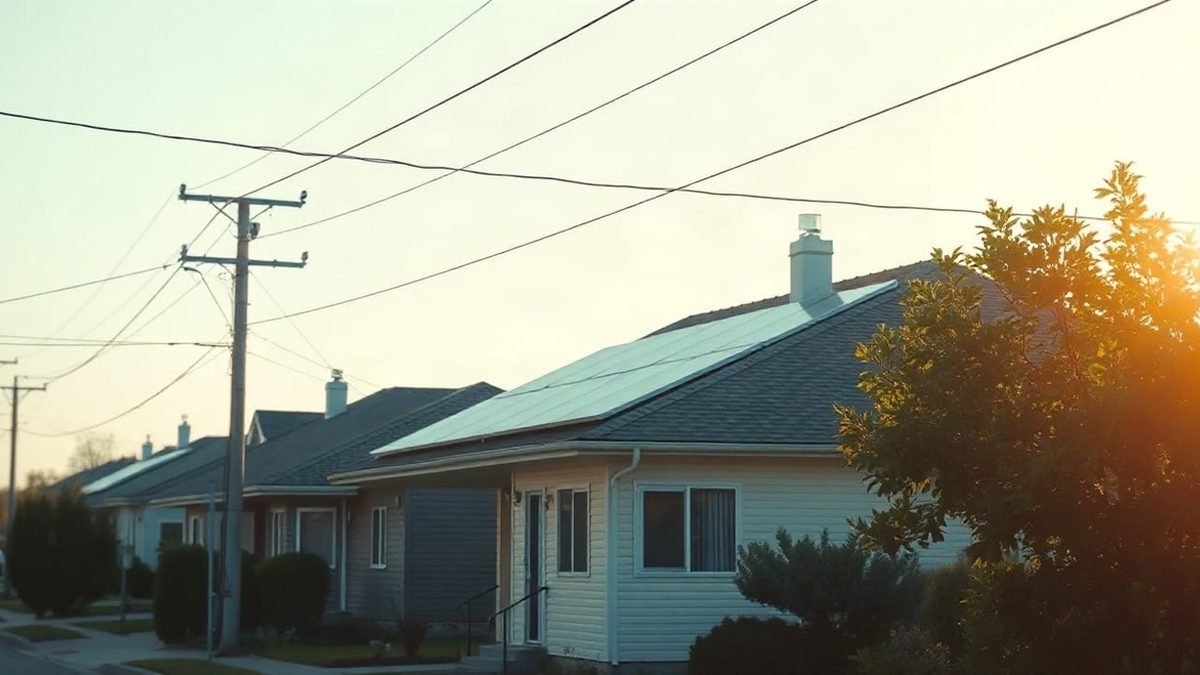
What a solar interconnection agreement is, in plain terms
A solar interconnection agreement is the contract between you (or your installer, acting for you) and your electric utility that gives official permission to connect your rooftop solar panel system to the power grid. It specifies the technical requirements your system must meet, the metering arrangement that records energy you send to and draw from the grid, and the terms under which the utility will accept that exported power. In practice, utilities generally require a signed interconnection agreement and formal permission to operate before a grid-tied system is energized and exporting power.
Understanding what a solar interconnection agreement is matters because it is one of the last, and often one of the slowest, steps in going solar. Solar energy itself is straightforward: it is the radiant light and heat from the Sun, harnessed by technologies such as photovoltaic systems, which convert sunlight directly into electricity (Wikipedia, Solar energy). The paperwork that lets that electricity flow to your neighbors through shared wires is what the interconnection process governs.
Key takeaways
- An interconnection agreement is your utility's formal permission to connect a grid-tied solar system to the electrical grid; without it, your system should stay switched off.
- The agreement covers safety standards, equipment certification, metering arrangements, and the terms for any credit you receive on exported solar power.
- Approval is usually handled by your installer, but timelines vary widely by utility, from a few weeks to several months.
- Some utilities may ask for additional documentation or system details during review, and approval timelines and requirements vary by utility, which can affect your schedule.
- Follow your utility's and installer's guidance on when the system may be switched on; energizing before permission to operate is generally not recommended.
In this article
- What a solar interconnection agreement is, in plain terms
- Why utilities require an interconnection agreement
- What the agreement typically covers
- The interconnection process step by step
- How long does interconnection approval take?
- Interconnection agreements and net metering
- What homeowners should check before signing
- Common problems and how to avoid them
- FAQ
- The bottom line
- Sources
Why utilities require an interconnection agreement
Traditional grid planning assumed most electricity would flow from large central plants outward to homes. Rooftop solar reverses that, sending excess power from your roof back through neighborhood transformers and onto the grid. Utilities need to know that every connected system meets safety and engineering standards so that this two-way flow does not endanger line workers, damage equipment, or destabilize local circuits.
An interconnection agreement gives the utility that assurance. It documents that your inverter is certified to relevant national standards, that your system will shut down safely during an outage (a function called anti-islanding), and that the utility has accurate records of every generating system on its network.
Safety for line workers
During a power outage, utility crews work on lines assuming those lines are de-energized. If a solar system kept feeding power into a dead grid, it could seriously injure a worker. Interconnection rules require inverters that disconnect automatically when the grid goes down, and the agreement makes you responsible for keeping that equipment in approved condition.
Accurate billing and metering
The agreement also establishes how your electricity use and export are measured. Depending on your utility, this may involve swapping your existing meter for a bidirectional (net) meter that records both directions of flow, which is the basis for net metering or a similar export-credit arrangement.
What the agreement typically covers
While the exact wording differs by state and utility, most interconnection agreements address the same core points:
- System description: the size of your array, inverter model, and location of the installation.
- Technical standards: certification requirements for inverters and protective equipment, so the system responds correctly to grid conditions.
- Metering: whether a new net meter is installed and how imports and exports are recorded and billed.
- Export compensation: the rate or credit structure applied to electricity you send to the grid, such as net metering, net billing, or a time-of-use export rate.
- Liability and insurance: responsibility for the equipment and, for some utilities and system sizes, proof of liability insurance.
- Permission to operate: the explicit statement that the system may not be energized until the utility approves.
- Inspection rights: the utility's ability to inspect or require changes to the system, sometimes with limited notice.
The interconnection process step by step
Most homeowners never fill out the interconnection application themselves; a reputable installer manages it. Still, it helps to know the sequence so you understand where delays can occur.
- Application: the installer submits a package to the utility with system drawings, equipment specifications, and electrical details.
- Utility review: the utility checks whether your system meets its technical rules and whether the local grid can accept the export. Most residential systems pass without modification; some require an upgrade study or equipment changes.
- Permitting (often in parallel): your city or county issues an electrical and building permit. Many utilities and jurisdictions now coordinate through online portals so these reviews happen alongside interconnection review.
- Installation and local inspection: the installer builds the system, and the local inspector signs off on the electrical work.
- Meter exchange: the utility may install a bidirectional meter, either before or shortly after approval.
- Permission to operate (PTO): the utility issues final written approval. Only then should the system be switched on.
- Agreement execution: the signed agreement formalizes the terms; you should keep a copy with your solar paperwork.
How long does interconnection approval take?
There is no single answer, and it is worth being honest about that. Simple residential applications in some utility territories are approved in a few weeks; in others, the process stretches to several months, particularly when the local grid needs a study, when the utility has a backlog, or when permitting is slow. Installers working in your area can usually give a realistic estimate based on recent projects they have completed with your utility.
If speed matters to you, ask prospective installers two practical questions: how long interconnection review is currently taking with your specific utility, and whether anything about your proposed system (its size, your panel's condition, or a planned battery) is likely to trigger extra review.
What can slow things down
- Applying during a utility's busy season or after a major policy change.
- Larger-than-typical residential systems, which may require an engineering study.
- Older electrical panels that need upgrading before the utility will approve the connection.
- Incomplete or incorrect application documents from the installer.
Interconnection agreements and net metering
People often conflate the two, so it is worth separating them. The interconnection agreement is about permission and safety: may your system connect to the grid at all, and under what conditions. Export compensation arrangements, which vary by utility and tariff, determine what credit you receive for the electricity you export; in some markets, energy suppliers offer export tariffs, though programs and rates differ by country and provider.
Both topics typically appear in the same agreement, which is why the document matters financially. The export terms it contains will influence how much value your system delivers over its life, so read that section carefully and ask your installer to explain it. Export rules differ significantly from one state, and even one utility, to the next, and they can change over time, so what a neighbor received five years ago may not match what your agreement offers.
Adding a battery later
If you plan to add battery storage, check whether your agreement covers it. In many cases, a battery paired with an existing approved system requires an interconnection amendment or a new application, especially if the battery can export power to the grid. It is simpler to ask your installer about battery readiness at the outset than to navigate a second approval later.
What homeowners should check before signing
You are not the party drafting the contract, but you are the customer and the system owner, so a short review is worthwhile.
- Correct system details: confirm the array size and equipment listed match your contract with the installer.
- Export credit terms: understand what rate applies to exported energy and whether it changes over time or by time of day.
- Costs: ask whether the utility charges an application or metering fee and who pays it; some utilities waive residential fees, others do not.
- Insurance requirements: if liability insurance is required, confirm your homeowner's policy or the installer's coverage satisfies it.
- Permission to operate language: note that the system stays off until PTO is issued, and hold your installer to that.
- Term and transfer: check what happens if you sell the house; most agreements transfer to a new owner, but it is better to know than assume.
Common problems and how to avoid them
Most interconnections proceed without drama. The issues that do arise tend to fall into a few predictable categories.
Turning the system on too early
The most common mistake is energizing a system before the utility issues permission to operate, sometimes because the installer is eager to wrap up. This can void the agreement, forfeit export credits earned before approval, and, in a worst case, create a genuine safety hazard. Politely insist that nothing switches on until PTO arrives in writing.
Slow or silent utilities
If weeks pass with no status update, ask your installer to follow up with the utility's interconnection team, and keep a simple log of dates and communications. Persistent, documented follow-up usually resolves stalled applications faster than frustration does.
Surprise equipment requirements
Occasionally a utility requires a panel upgrade, a production meter, or revised drawings. If this happens, request the specific rule or standard that triggered the requirement so you and your installer can evaluate whether it is genuinely necessary and price any added work fairly.
FAQ
Do off-grid solar systems need an interconnection agreement?
No. Interconnection applies only to systems tied to the utility grid. A fully off-grid home with no utility service has nothing to interconnect. Hybrid systems that remain connected to the grid, even with battery backup, do require an agreement or an amendment to an existing one.
Who submits the interconnection application?
Almost always your solar installer, on your behalf. The installer prepares the drawings and equipment documentation the utility requires. You will typically sign a form authorizing the installer to act for you, and you should receive a copy of the final agreement.
Does an interconnection agreement cost money?
It depends on the utility. Some utilities process standard residential applications at no charge; others charge application, meter, or inspection fees. Ask your installer for the exact fees in your territory before signing your installation contract so there are no surprises.
What happens if I move house?
In most cases, the interconnection agreement runs with the property, and the new owner assumes it after notifying the utility. The practical steps vary by utility, so ask your installer or the utility about the transfer process when you list the home for sale.
Can my utility refuse to connect my solar system?
Refusal is uncommon for standard residential systems, but not impossible. Utilities can require upgrades if the local circuit cannot accommodate more export, or reject applications with non-compliant equipment. If a rejection or an expensive requirement seems unjustified, it may be worth asking your utility to explain its decision in writing, and you can look up your state's consumer or utility regulatory resources for guidance.
The bottom line
An interconnection agreement is the bridge between your roof and the grid: the document that makes your solar system legal, safe, and billable. It is administered by your utility, usually managed end to end by your installer, and well worth ten minutes of your own reading before you sign. When you are comparing installers, add one question to your list: how long is interconnection taking with my utility right now, and are there any fees? The answer tells you a lot about the experience ahead. From there, the natural next step is to get quotes from two or three licensed installers and ask each of them to walk you through the interconnection timeline in writing.
Sources
This article is general information, not tax, legal or financial advice. Figures are illustrative; confirm current rules and incentives with the official program or a qualified professional. Learn more
Want One More Quote to Compare?
Request a solar quote through our Powur link, and ask who handles the interconnection application and how long it may take. Powur serves U.S. homes only, and availability varies by state, so check with Powur that your address is covered. Disclosure: HomeSolarStudio.com is a Powur Ambassador and may earn a commission if you request a quote through this link. This does not affect your pricing.
Get a Powur Solar Quote